Planning your inaugural trip to Seoul and aiming to experience both iconic landmarks and local charm without being overwhelmed by crowds? This itinerary is designed to maximize your time by blending must-see attractions with authentic, less-touristed neighborhoods like Mangwon-dong and Yeonnam-dong. You’ll uncover hidden gems, savor delicious food, and get a genuine feel for everyday Seoul life.
Seoul First-Timer’s Essential Highlights
| Trip Duration | 3 Days |
|---|---|
| Key Exploration Areas | Historic Palaces, Traditional Villages, Hip Neighborhoods (Mangwon & Yeonnam), Contemporary Culture. |
| Ideal For | First-time visitors seeking a balanced mix of history, culture, and local experiences. |
| Pacing | Moderate, with flexibility for relaxation and in-depth exploration. |
| Crucial Preparations | Efficient transportation planning, comfortable walking shoes, verifying operating hours, advance booking for popular activities. |
Day 1: Royal Heritage and Traditional Ambiance
Kick off your Seoul adventure by immersing yourself in the city’s profound history. This day is dedicated to exploring magnificent palaces and stepping back in time within a traditional village setting.
This day is perfectly crafted to build your understanding of Seoul’s historical foundations.
Explore Seoul’s Majestic Royal Past

Gyeongbokgung Palace & National Folk Museum
Your day begins at Gyeongbokgung Palace, Seoul’s largest and most visually stunning of the five grand palaces. Don’t miss the Royal Guard Changing Ceremony for a captivating insight into Joseon Dynasty traditions. Following this, the adjacent National Folk Museum of Korea offers a comprehensive look at the historical daily life and culture of the Korean people.
Bukchon Hanok Village
Take a leisurely stroll through the picturesque, narrow alleys of Bukchon Hanok Village, a preserved traditional Korean village situated between Gyeongbokgung and Changdeokgung Palaces. Admire the beautifully maintained *hanok* (traditional Korean houses) and soak in the scenic vistas. Please be mindful and respectful of the residents, as this is an active residential area.
Day 2: Trendy Neighborhoods and Local Culinary Delights
Today, we delve into two of Seoul’s most cherished local enclaves: Mangwon-dong and Yeonnam-dong. These areas present a vibrant contrast to the historical sites, showcasing dynamic street art, unique cafes, independent boutiques, and delectable street food.
This day is ideal for experiencing Seoul’s contemporary, creative energy.
Discover Seoul’s Artistic Soul and Local Hangouts

Mangwon-dong Immersion
Mangwon-dong exudes a more relaxed, authentic local atmosphere. Explore Mangwon Market for an genuine street food experience – sample *tteokbokki*, *mandu*, or *twigim*. Then, wander down Mangnidan-gil, celebrated for its independent fashion stores, vintage shops, and unique cafes. A personal tip: get deliberately lost in the smaller side streets; that’s where the truly special finds are.
Yeonnam-dong Allure
A short walk or subway ride away, Yeonnam-dong captivates with its artsy ambiance, particularly along the Gyeongui Line Forest Park. This district features charming renovated houses transformed into stylish cafes, restaurants, and concept stores. It’s a perfect spot to browse one-of-a-kind designer items or enjoy a expertly brewed specialty coffee.
Day 3: Modern Culture and Sweeping City Views
Your final day centers on contemporary Seoul, from its bustling shopping districts to its breathtaking panoramic cityscapes.
This day offers a compelling glimpse into Seoul’s dynamic modern culture and its stunning urban vistas.
Experience Seoul’s Iconic Landmarks and Panoramic Views
Myeongdong Shopping District
Immerse yourself in the vibrant energy of Myeongdong, a true haven for shoppers. You’ll find an extensive selection of beauty stores, fashion boutiques, and department stores. It’s also an excellent location for sampling more street food or picking up souvenirs.
N Seoul Tower
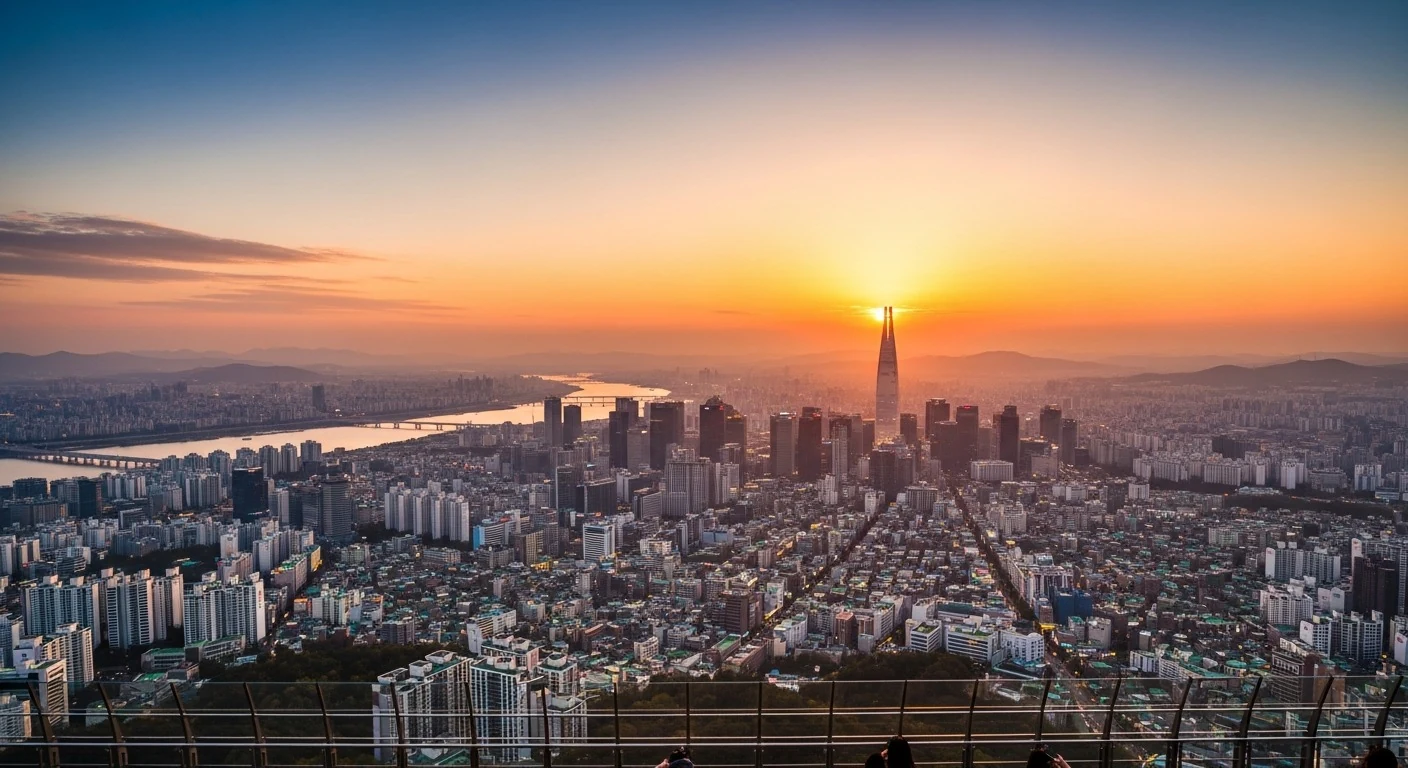
Conclude your journey with a visit to N Seoul Tower atop Namsan Mountain. Ascend via cable car or enjoy a hike for spectacular, sweeping views across Seoul, particularly mesmerizing at sunset or after dark. It remains a classic destination for good reason and offers a perfect moment for reflection on your trip.
Estimated Costs and Recommendations
Here’s a projected cost breakdown for this 3-day itinerary, acknowledging that individual spending habits can vary considerably.
| Expense Category | Estimated Cost (per person, in KRW) | Key Considerations |
|---|---|---|
| Accommodation (3 nights) | 150,000 – 450,000+ | Ranging from budget guesthouses to mid-tier hotels. |
| Food & Dining (3 days) | 120,000 – 210,000 | Includes market snacks, cafe visits, and restaurant meals. |
| Transportation (T-money Card) | 20,000 – 30,000 | Covers subway and bus fares. |
| Attraction Entry Fees | 15,000 – 25,000 | Covers Gyeongbokgung Palace, N Seoul Tower, etc. |
| Shopping & Souvenirs | Highly Variable | Entirely dependent on personal choices. |
| Total Estimated Expenses (Excluding Shopping) | 305,000 – 715,000+ | This range provides a solid baseline for essential travel costs. |
Costs can be effectively managed by selecting guesthouses, enjoying meals at local markets, and prioritizing free attractions.
Essential Tips for Your Inaugural Seoul Visit
* **Getting Around:** Seoul boasts a highly efficient public transportation network. Purchase a T-money card upon arrival for seamless travel on subways and buses. Download navigation apps like Kakao Map or Naver Map, as Google Maps has limited navigation capabilities within South Korea.
* **Staying Connected:** Renting a portable Wi-Fi device or acquiring a local SIM card is strongly advised for navigation and continuous connectivity.
* **Language Basics:** While many individuals in tourist hubs possess some English proficiency, learning a few fundamental Korean phrases such as “Annyeonghaseyo” (Hello) and “Kamsahamnida” (Thank you) is greatly appreciated.
* **Advance Bookings:** For popular activities like guided palace tours or themed cafes, it’s advisable to book in advance, especially during peak travel seasons.
* **Comfort is Key:** Be prepared for significant walking; comfortable footwear is absolutely essential.
Being well-prepared with essential travel apps and a T-money card will significantly enhance your travel experience.
Frequently Asked Questions for First-Time Seoul Explorers
Q: Is navigating Seoul easy for a first-time visitor?
Yes, Seoul’s public transportation system is remarkably efficient, clean, and user-friendly. The extensive subway network connects to most major tourist sites. Helpful navigation apps are also readily available.
Q: What are the best ways to experience authentic local cuisine?
Don’t hesitate to explore local markets like Mangwon Market for genuine and budget-friendly street food. Trying Korean BBQ, bibimbap, and various stews at local eateries is also a must. Look for establishments bustling with locals!
Q: What’s a reasonable daily budget for expenses?
Beyond accommodation and flights, aim for a daily budget of approximately 70,000 to 120,000 KRW to cover food, transportation, and entry fees. This can be adjusted based on your preferences for shopping and cafes.
Q: Are there any cultural etiquette points to be aware of?
When visiting homes or temples, remember to remove your shoes. It’s polite to use your right hand or both hands when giving or receiving items, especially from elders. During meals, wait for elders to begin eating before you do. Finishing your meal is also considered good manners.
Q: What is the optimal time of year to visit Seoul?
Spring (April-May) and Autumn (September-October) offer delightful weather and beautiful natural scenery. Summers can be hot and humid, while winters are cold but feature festive decorations and fewer crowds.
Source:
Korea Tourism Organization (https://english.visitkorea.or.kr/)
Seoul Metropolitan Government (https://english.seoul.go.kr/)
Last Updated: June 3, 2026
This itinerary provides a robust and manageable introduction to Seoul for first-time visitors, skillfully balancing historical depth, modern cultural immersion, and exploration of local neighborhoods. It’s particularly well-suited for travelers who enjoy walking and discovering unique, off-the-beaten-path locations.
